
Solar Panels by Watt
There are many types of solar panels in terms of power and size. Bigger modules are not always better. You need to choose it that suits you based on the size of your roof.
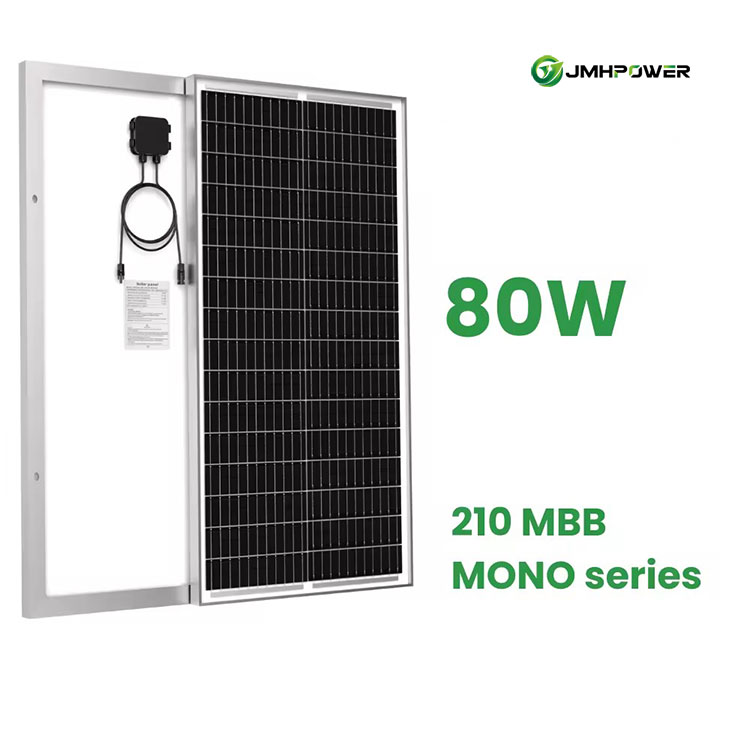
We provide solar panels from 50w to 700w. Available in large or small sizes, you can choose it that suit you and apply them to off-grid or grid-tied solar power systems.
You can also contact us and we can design a solar panel system according to your needs.
Products Categories
Inquiry Now
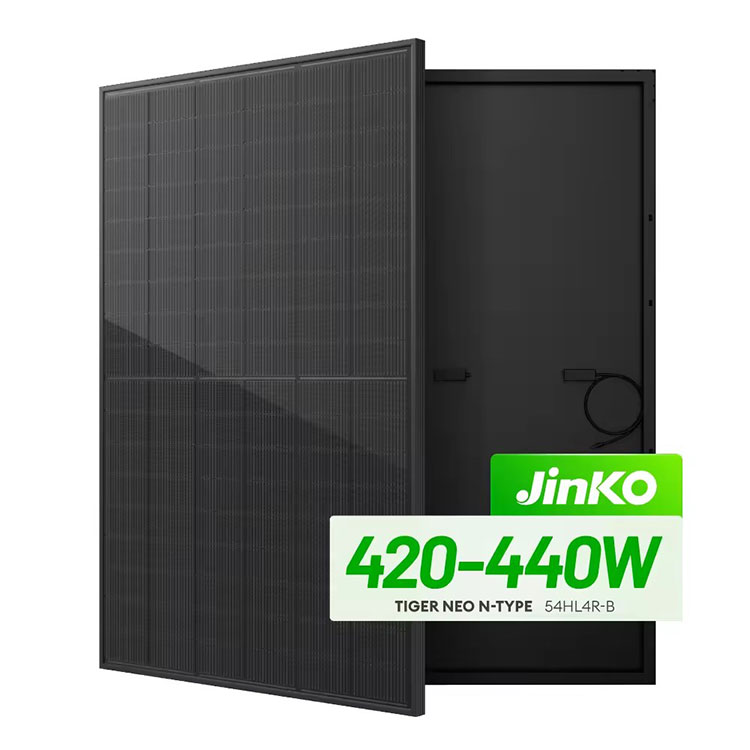
Jinko 420watt 430watt 440watt all black buy wholesale good solar panels by the pallet for offices
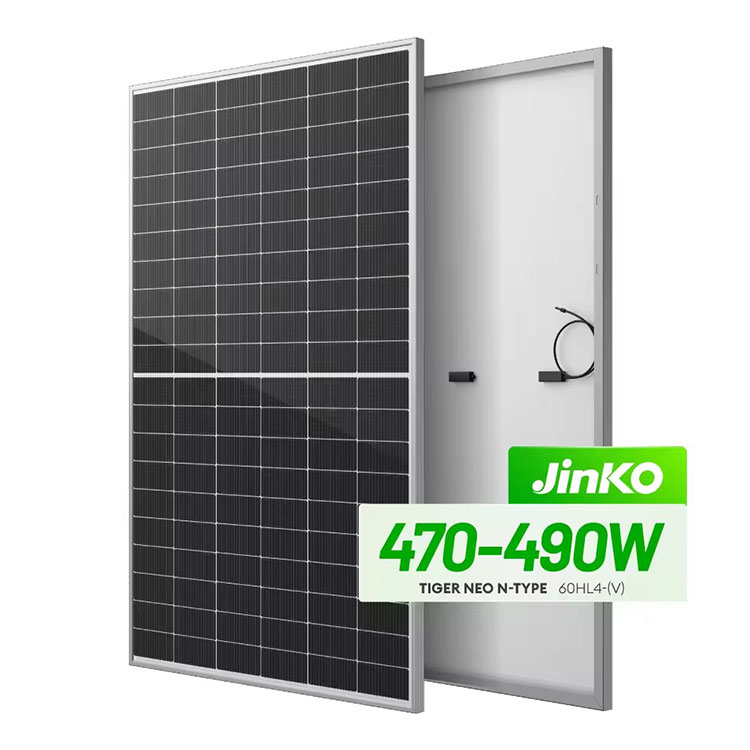
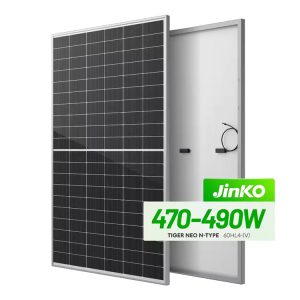
Jinko 470watt 480watt 490watt purchase high voltage solar panel wholesale bulk price

Jinko 550watt 560watt 570watt ground mounting big solar pv panels for sale
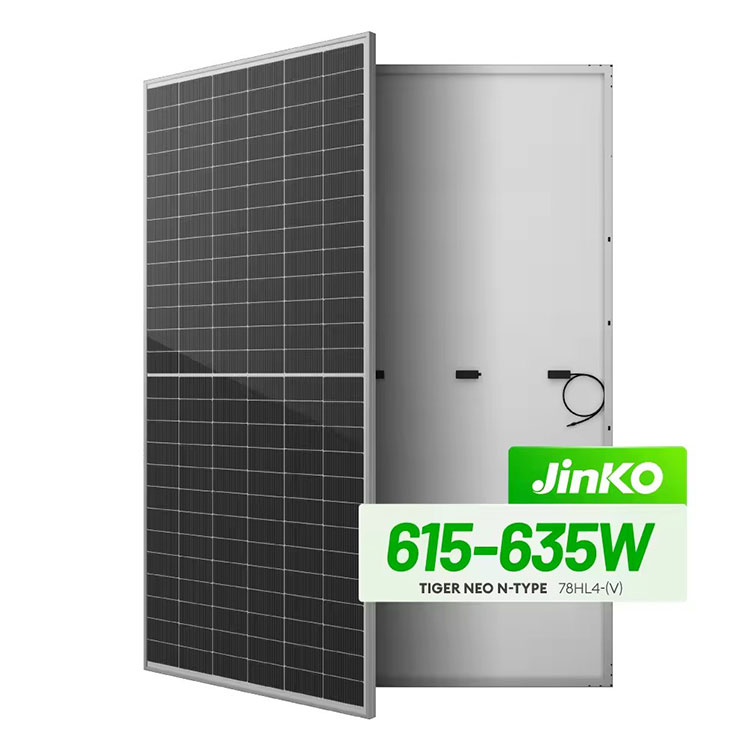
Jinko mono facial 615-635W Tiger Neo N-Type 78HL4 commercial grade solar photovoltaic panels for sale

Canadian 550watt best solar power home panels bulk buy high bifacial solar panels efficiency
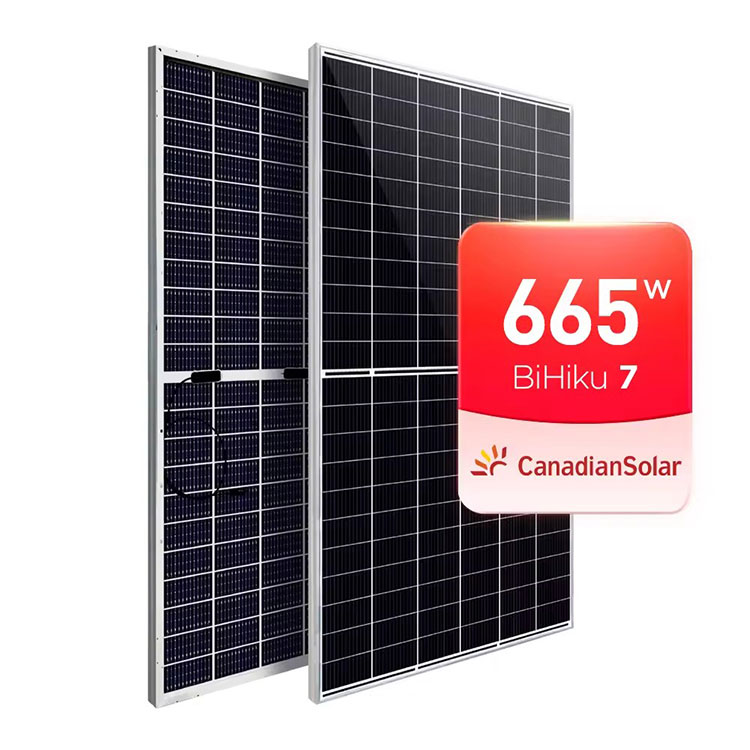
Canadian 665watt large industrial craft solar panels for school
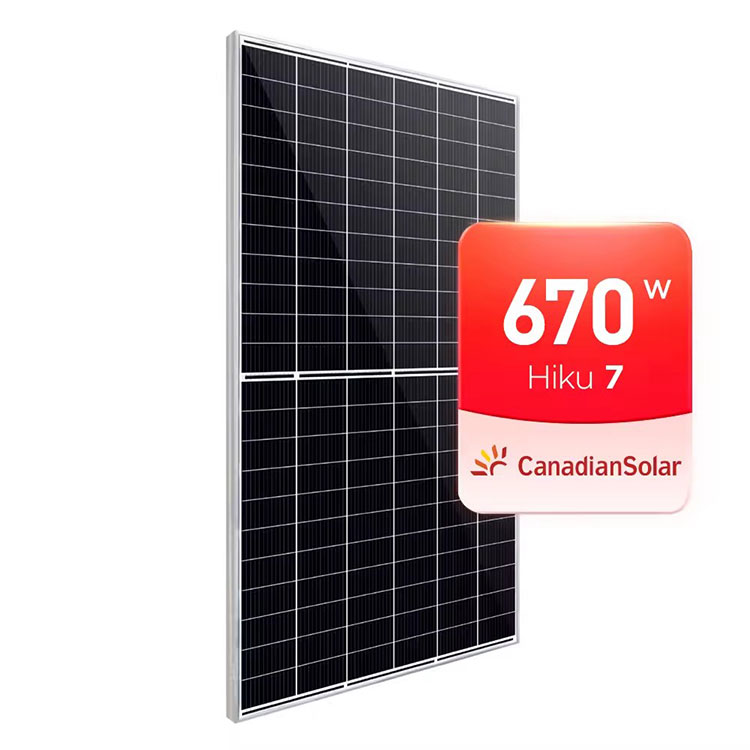
Canadian 670watt rigid best place to buy new solar panel business

Bulk Buy Solar Panels from China direct price 12 Volt for apartments

offer 24V 12 volt 100 watt cheapest solar electric panels for homes

buy 150 watt 180watt Mono Solar panels from Chinese manufacturer

Best lightweight cheap 200W solar panels for sale for home

What Is Solar Panel Wattage?
Solar panel wattage refers to the maximum power output a solar panel can produce under ideal sunlight conditions. It is measured in watts and indicates how much electricity the panel can generate. For example, a 300-watt solar panel can produce 300 watts of power under optimal conditions. Higher wattage panels generally produce more electricity, making them suitable for locations with limited space or higher energy needs.
How to Choose the Right Solar Panel Wattage for Your Needs?

1. Assess Your Energy Needs: Determine your average daily and monthly energy consumption by reviewing your electricity bills. This will help you understand how much power you need to generate.
2. Consider Available Space: If you have limited roof space, higher wattage panels are more suitable as they generate more power per square foot. Conversely, if you have ample space, lower wattage panels can be a cost-effective option.
3. Evaluate Efficiency vs. Total Wattage: Higher wattage solar panels are generally more efficient but may come at a higher cost per watt. Lower wattage solar panels might require more solar panels to meet the same energy output, potentially increasing installation costs.
4. Account for Environmental Factors: Consider the amount of sunlight your location receives and any shading issues. Higher wattage solar panels can help offset reduced sunlight or shading.
5. Plan for Future Growth: If you anticipate increasing your energy consumption in the future, consider installing higher wattage solar panels to allow for expansion.
6. Budget Considerations: Higher wattage solar panels may have a higher upfront cost but can offer long-term savings through increased energy production. Calculate the total cost, including installation and potential tax credits.

How to Calculate Solar Panel Daily Output by Wattage?
To calculate the daily electricity generation of solar panels based on wattage, you need to consider the solar panel’s wattage, the average daily sunlight hours (also known as peak sun hours) in your location, and the solar panel’s efficiency.
First, multiply the solar panel’s wattage by the number of peak sun hours to get the total watt-hours generated per day. Then, convert this to kilowatt-hours (kWh) by dividing by 1000. For example, if you have a 300-watt solar panel and your location receives an average of 5 peak sun hours per day, the daily generation would be 300 watts × 5 hours = 1500 watt-hours, or 1.5 kWh.
This calculation provides an estimate of the daily electricity generation, though actual output may vary due to factors like weather conditions and solar panel orientation.
What Are the Latest Innovations in Solar Panel Efficiency by Wattage?
In 2025, several innovations are driving improvements in solar panel efficiency by wattage. Perovskite solar cells are emerging as a game-changing technology, with potential efficiencies exceeding 30%, making them more efficient than traditional silicon-based solar panels. Tandem solar panels, which combine different materials to capture various wavelengths of sunlight, are also gaining momentum and could push efficiency levels beyond 30%.
Additionally, bifacial solar panels, which capture sunlight from both sides, are becoming more popular, especially in high-albedo regions like deserts and snowfields, and can boost energy production by up to 30%. These advancements are making solar panels more efficient and cost-effective, paving the way for broader adoption and integration into various applications.

Solar Panels by Watt FAQ
Mixing solar panels with different wattages is possible, but it’s not ideal. Doing so can lead to inefficiencies and reduced overall solar system performance. It’s best to use solar panels with the same wattage and specifications for optimal results.
The size of a solar panel generally has a direct relationship with its wattage. Larger solar panels typically contain more photovoltaic cells, which can generate more electricity and thus have a higher wattage. However, the efficiency of the cells also plays a significant role in determining the overall wattage.
To check if your solar panel is producing the correct voltage and amperage, use a multimeter. Measure the open-circuit voltage (Voc) and short-circuit current (Isc) in sunlight. If the readings match the solar panel’s rated values, it’s working correctly.
Higher-wattage solar panels are not always better. While they generally produce more power and can be more efficient, especially in limited space, they often come at a higher cost per watt. If you have ample space and budget constraints, lower-wattage solar panels might be more cost-effective, as you can achieve the same total power output with more solar panels.
The most common wattage options for residential solar panels range from 300W to 400W. These wattages are popular because they offer a good balance between efficiency and cost. Higher wattage solar panels like 350W or 400W are especially beneficial for homes with limited roof space, as they can generate more power in a smaller area.
Recommended Products for You


Look Forward to Your Message